What Is Wi-Fi Calling? How It Works, Costs and Benefits
What does Wi-Fi calling do?
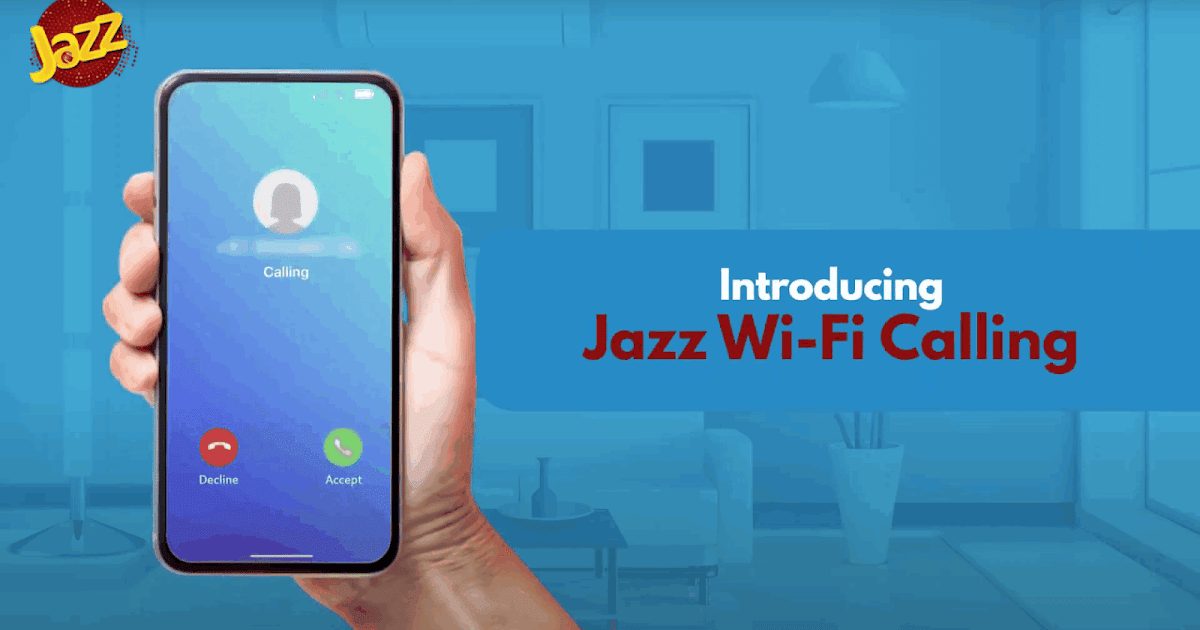
Wi-Fi calling allows you to make and receive phone calls through a local Wi-Fi network using VoIP technology, without relying on a cellular network. Calls can be placed from Wi-Fi-enabled smart devices and from computers equipped with dedicated VoIP applications or apps that have been given voice capability by solutions such as the Vonage Voice API.
Provided the connection is strong and reliable, Wi-Fi calling delivers the same experience and call quality as other types of calling.
Also read: Google Android Update Bug Shows January 2027 Date on Phones
What is the difference between Wi-Fi calling and normal calling?
Wi-Fi calls and ordinary phone calls pursue the same goal, although they differ in important respects.
Also read: PTA Moves Toward In-Flight Satellite Telecom Services in Pakistan
How much does Wi-Fi calling cost?
In most cases, Wi-Fi calling does not add any extra cost beyond what you already pay for internet or mobile network usage. Smartphones from Apple, Samsung, and other manufacturers include built-in Wi-Fi calling. Calls made over a Wi-Fi network use the internet service that you—or your workplace—already pay for, and they do not consume your mobile data allowance.
Major mobile providers such as Verizon and AT&T support Wi-Fi calls on capable devices. However, calls or texts to non-U.S. numbers may still be charged, typically at the normal long-distance rates set out in your current agreement.
Advantages of Wi-Fi calling
A 2024 survey by the Pew Research Center reports that 91% of the U.S. population owns a smartphone. Together with business VoIP phone apps, these mobile devices enable remote and hybrid teams to collaborate across widely separated global locations.
Wi-Fi calling enhances the value of smartphones and cloud-based business phone solutions in several ways:
· Save money: Wi-Fi calls do not use cellular data and are generally free to make and receive on most provider networks.
· Free roaming: When team members are abroad, Wi-Fi calling lets them communicate while avoiding potential roaming charges through affordable international calling.
· Improved coverage: Wi-Fi signals reach places where network coverage cannot, such as thick-walled buildings or remote locations.
· Better call quality: When network connectivity is poor, you can use strong router signals for clearer calls.
· Greater flexibility: Wi-Fi calls give employees more options for remote working, allowing them to make calls whenever they are connected to the local network.
· Longer battery life: High-speed standards such as 5G or LTE use more power to make phone calls than Wi-Fi does. The weaker the network signal, the more mobile data drains your battery.
Easy to use: Wi-Fi calling can be set up on any capable device in a few simple steps, or through a VoIP calling application.